
Outsmart Whatever Disaster Comes Your Way

Disasters rarely send a calendar invite.
They arrive fast, disrupt routines, and expose weak points in our homes, systems, and assumptions.
The good news: most disasters are survivable with boring, unsexy preparation done in advance.
Whether it’s a natural event or a human-made failure, readiness means reducing panic and increasing options.
Below are the most common disasters people face and the practical steps that actually matter.
Preparedness is not paranoia. It is leverage.
Earthquakes: Prepare for Zero Warning
Earthquakes offer no countdown and no mercy for unsecured spaces.
While most common along fault zones like California, Japan, and the Pacific Ring of Fire, smaller quakes can happen almost anywhere.
How to prepare intelligently:
Secure heavy furniture, shelves, and water heaters to studs. Keep heavy or breakable items low and use cabinet latches.
Identify safe zones in every room, under sturdy tables or along interior walls. Practice Drop, Cover, and Hold On with everyone in the house.
Build a 72-hour kit: water (1 gallon per person per day), shelf-stable food, first aid, flashlight, batteries, radio, and sturdy footwear.
Learn how to shut off gas and water lines. Small leaks become big problems after shaking stops.
If your home is older, look into seismic retrofitting options. It is cheaper than rebuilding.
Pro tip: Use real-time alerts and updates from USGS and consider earthquake insurance if you live in a high-risk zone.
Hurricanes: Decide Early, Not Late
Hurricanes combine wind, flooding, and long-duration outages.
The biggest mistake people make is waiting too long to act.
Smart hurricane prep looks like this:
Know your evacuation zone and routes before the season starts. Check flood risk maps and storm surge zones through FEMA.
Install storm shutters or pre-cut plywood. Reinforce garage doors and secure anything outdoors.
Store at least 7 days of food, water, medications, batteries, and cash.
Keep a go-bag ready with documents, clothes, chargers, and essentials.
Leave when told to leave. Traffic is inconvenient, staying too long can be fatal.
Pro tip: Elevate appliances and critical electronics. If staying, shelter in an interior room away from windows and monitor updates from the National Hurricane Center.
Wildfires: Buy Time Before You Need It
Wildfires move fast and are increasingly common well outside traditional fire zones. Embers, not flames, destroy most homes.
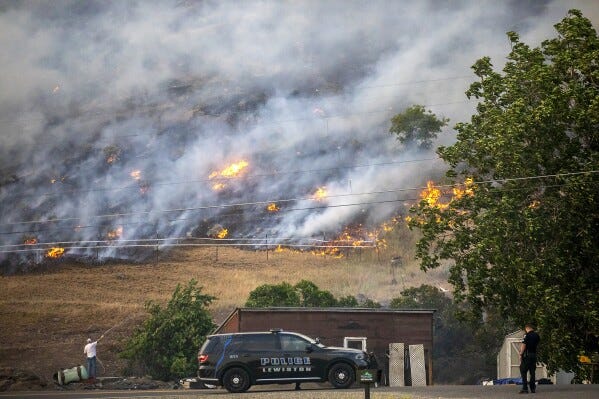
Reduce your risk now:
Create a defensible space. Clear debris, trim trees, and remove flammable material within at least 30 feet of your home.
Use fire-resistant roofing, siding, and vent screens to block embers.
Keep gutters clean and landscaping simple.
Prepare a go-bag and keep vehicles fueled. Include masks for smoke.
Know multiple evacuation routes and sign up for local alerts.
Pro tip: Fire preparation is a community effort. Homes survive more often when entire neighborhoods reduce fuel together.
Floods: Water Is Relentless
Flooding is the most common disaster globally and it does not respect maps or assumptions.
If water can reach you, it will.
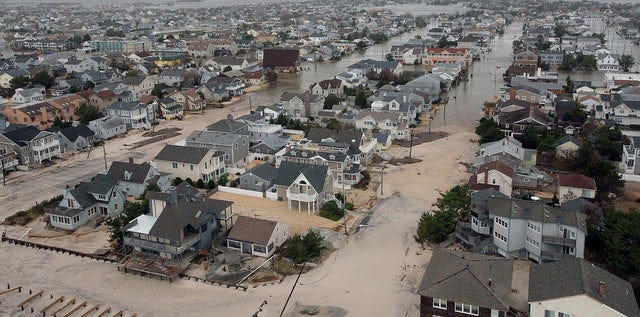
Practical flood prep:
Check flood exposure, even if you are outside official zones.
Elevate electrical panels, HVAC, and appliances where possible.
Install sump pumps and backflow valves.
Store important documents in waterproof containers and cloud backups.
Never drive through floodwater. Six inches can knock you down, twelve inches can take your car.
Pro tip: Flood insurance is separate from homeowners insurance. Coverage through the National Flood Insurance Program takes time to activate, plan ahead.
Power Outages: Expect Fragility
Modern life assumes electricity. When it fails, everything else follows.
Plan for outages like an adult:
Use generators safely outdoors only, or invest in solar and battery backups for essentials.
Keep non-perishable food, manual can openers, and frozen water bottles.
Plan for medical devices with backup power and notify your utility if required.
Stock blankets, warm layers, or cooling options depending on climate.
Maintain radios and offline communication options.
Pro tip: Unplug sensitive electronics during outages to prevent surge damage when power returns.
Follow updates from NOAA when weather-driven outages are likely.
Final Thought: Prepared Beats Lucky
Disasters are unavoidable. Chaos is optional.
Preparedness is not about fear, it is about margin. Margin to think clearly. Margin to help others.
Margin to avoid becoming dependent when systems fail.
Start small. Pick one risk that applies to you and fix the obvious gaps. Then move to the next.
Preparation compounds.
What is the first weak point you are fixing this month?
Hierarchy of needs, meet the likelihood of potential problems. Everything you described is a larger scale, high impact event. You might also include social unrest/riots, supply disruptions, or events like hacking of ATMs/plastic payment processors.
Those are all reasonably medium likelihood and high impact events.
Then there are events like the loss of a job, severe extended illness or injury or death, divorce or even a forced relocation to another region for job or family reasons. These are all low impact from a societal perspective but high impact to the affected people. They’re also nearly certain to occur and affect all of us at one time or another in our lives.
Point is- there will be something that happens that was unexpected. Thinking through the implications and preparing for them in advance will absolutely reduce the impact of any events from an auto accident or job loss to a major regional disaster. And take comfort- the basic preparations for all of these events are very similar and will reduce the impact of them on you and your loved ones.
Please offer examples of “offline communication” methods.